

On November 18 2025, a major internet disruption reminded us all how fragile our architecture really is. Cloudflare—the CDN and web-security platform managing ~20 % of global web traffic—experienced a severe outage, causing platforms like X (formerly Twitter), ChatGPT and countless services to return error pages and downtime.

1. What Happened: A Quick Breakdown
- At ~11:20 UTC the issue was triggered by a “spike in unusual traffic” inside Cloudflare’s network. - Thousands of error reports surfaced globally—Downdetector saw peaks of ~5 000+ simultaneous service fault reports across major platforms. - Cloudflare confirmed the incident as “internal service degradation”, yet the root cause remains opaque. - The ripple effects ranged from web apps and APIs to transit systems (e.g., while disruption hit NJ Transit in the U.S.).
2. Why Architecture & Resilience Teams Should Sit Up
This outage is more than a technical glitch—it’s a case-study in dependency risk and systemic fragility for business owners and engineering architects alike.
- Infrastructure dependency as single point of failure: When your CDN or edge vendor goes down, your users see it. Even global brands are not immune.
- Complex distributed systems amplify risk: Microservices, edge networks, global APIs—all create more boundaries and more failure surfaces.
- Resilience is a business need: Downtime impacts brand trust, conversion, and regulatory compliance (especially in regulated markets like MENA or EU).
3. Top Lessons & Actionable Take-aways for Your Team
Use this checklist today to audit your architecture resilience:
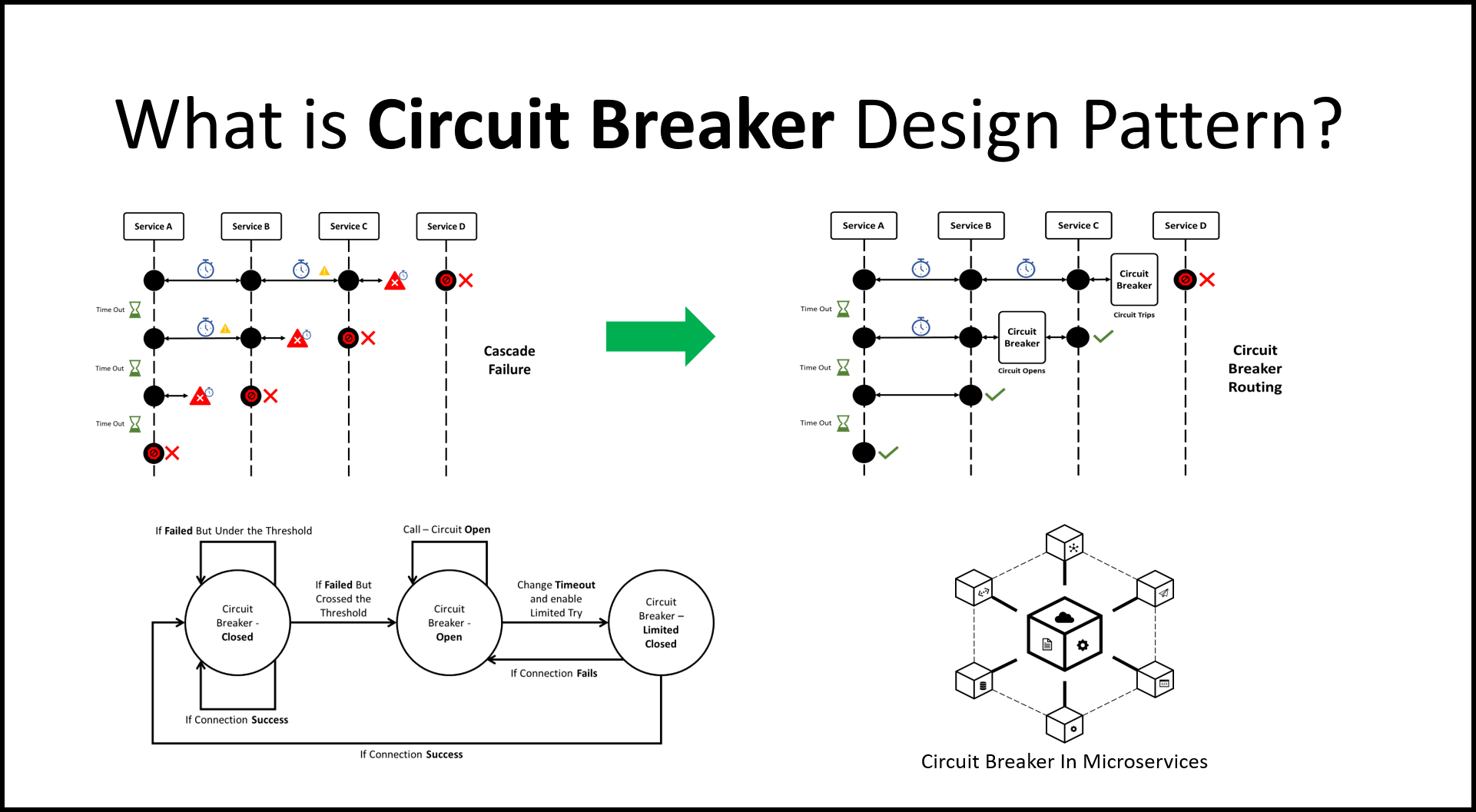
- Circuit-breaker pattern: Wrap external dependencies so they degrade gracefully when vendor fails.
- Fallback logic: e.g., cache content, local replicas, feature flags to degrade rather than fail hard.
- Dependency mapping: Identify all third-party services (CDNs, DNS, Auth, Payments) you rely on.
- Chaos testing & drills: Simulate vendor outage scenarios (e.g., “If Cloudflare goes dark, what happens to us?”).
- Monitor & alert: Beyond latency—track fallback activations, increase in 5xx errors, user-impact metrics.
- Least trust in vendor infallibility: Even “internet backbone” services must be treated as faultable.
4. Business-Owner Perspective: Why This Should Be On Your Radar
For decision-makers in Lebanon, UAE or globally: architecture equals brand integrity. Imagine an outage hits your frontend, checkout, or dashboard—users leave, revenue drops, trust erodes. You’re not just building software—you’re building stability.
- Brand risk: Outages are public and headlines (see Reuters, Guardian).
- Revenue impact: For SaaS, marketplace or mobile-app companies—every hour of downtime matters.
- Client conversations: If you sell software/solutions (like Vagary does), you can use these stories to differentiate your resilience-aware approach.

5. Questions to Ask in Your Next Architecture Review
Here are quick audit questions to share with your engineering team:
- If our CDN/DNS vendor goes offline for 30 minutes, what features of our product stop working?
- Are we transparent with users when we’re degraded (better UX) rather than giving generic errors?
- Do we have alternate paths or vendors for critical services?
- When was the last time we ran a “third-party down” simulation in staging or pre-prod?
Conclusion
The Cloudflare outage is a wake-up call to engineers, architects and business leaders everywhere: your system is only as resilient as its weakest link. That link might be your vendor, your network, your fallback logic—or absence thereof. If you architect for failure, you build for continuity.
CTA: Book your free consultation today to audit your architecture, build resilience and protect your business from infrastructure failure.